
The modern iGaming sector continues to grow year over year. According to industry experts, Europe’s digital gambling revenue reached just under €50 billion in 2025, with online casino games representing around 39% of total gambling revenue. The latter indicator is up from 37% the year before.
Beyond convenience and global reach, this shift also implies certain challenges. They touch compliance and data processing first. As the business grows, it has to handle the increasing data volumes as well. This situation implies the need for appropriate solutions to address emerging challenges.
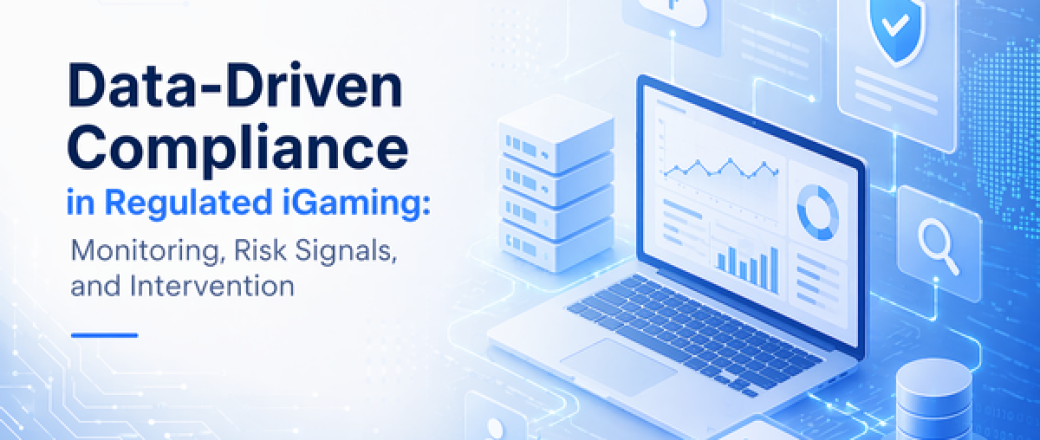
The real-time monitoring gambling platforms may utilize is a feasible foundation for a scalable, online iGaming business. Market operators envisage for compliance purposes common behavioural risk signals gambling is typically associated with. Once the threats emerge, compliance dashboards iGaming companies use instantly reflect those for further review and decision-making.
At a glance, real-time monitoring is a major advancement that eases compliance and fosters business growth. This solution is multilayered, involving plenty of details essential for appropriate compliance.
Why Static Compliance is Never Enough Now
Operating in a dynamic, digital world sets higher standards for many aspects of the iGaming business, compliance first. It has to be dynamically adjusted in response to ever-changing external market conditions and steadily evolving industry standards.
The dynamic iGaming environment requires more than just written obligations and reporting since challenges never wait for a document to be generated. They appear during real-life activities on the iGaming platform.
The primary goal is to ensure system resilience through early detection and timely response to emerging issues. Thus, regulated iGaming compliance shifts its focus to real-time monitoring and operational detection instead of limiting its effect exclusively to formal written policies and obligations.
Operational compliance gambling that operators utilize can shortly detect unusual behaviour as it occurs. By matching suspicious patterns with real-life actions, the system determines whether a specific activity requires attention and, if so, what actions should be taken in response. The algorithm-based compliance allows for processing large datasets, keeping sufficient compliance, yet without affecting the user journeys of fully compliant players.
Without this layer of operational detection, compliance turns reactive instead of being proactive. It’s essential to prevent this scenario from happening. It’s associated with decreasing compliance efficiency and making the iGaming platform potentially vulnerable to external factors and subsequent compliance breaches. That’s why compliance without real-time monitoring is never sufficient in modern iGaming realities.
The really workable approach in the existing setting is data-driven compliance in iGaming, where not rules, but indicators are prioritized for review and decision-making. The system detects the latter in real-time and responds to them without delays. Both aspects ensure operational compliance and system resilience. Real-time monitoring gambling platforms may utilize overall help to prevent the situation when an issue appears in a report, but the opportunity to prevent it and mitigate its negative consequences has already been lost.
What iGaming Platforms Monitor in Practice
The real-time monitoring gambling platforms conduct is primarily focused on tracking a wide array of data points and operational signals. The following ones remain among the most essential ones for compliance purposes:
- Session Behaviour. Ongoing gambling risk monitoring of each session, from the start to completion: navigation, intensity of actions, session duration, etc.
- Transaction Patterns. Deposits, withdrawals, frequency, and irregular financial activity can be tracked and reflected on the compliance dashboards iGaming companies use for real-time monitoring.
- Rapid Behavioural Changes. Behavioural risk signals notify gambling providers about any sudden changes in players’ activities that may be associated with potential compliance issues.
- Unusual Interaction Sequences. Data-driven compliance in iGaming especially emphasizes actions that significantly fall outside expected user journeys.
- Escalation Markers. Operational compliance gambling companies integrate into their routine also envisages specific signals for cases that need detailed reviews. Once they appear, such signals are shortly reflected on compliance dashboards iGaming operators may observe in real-time.
Modern iGaming platforms conduct real-time gambling risk monitoring not just for business intelligence purposes, but also as a part of a comprehensive compliance layer.
Real-Time Dashboards, Alerts, and Live Monitoring
In terms of real-time monitoring gambling platforms rely on multiple tools:
- Dashboards. Compliance dashboards iGaming platforms use show a live overview of all platform activities and potential issues once they emerge.
- Alerts. These options help notify the relevant team when specific conditions and thresholds are met, enabling timely review of such events. This part of data-driven compliance in iGaming is particularly important for deciding whether the issue needs a detailed review and action to be taken.
- Threshold Logic. This aspect of gambling risk monitoring defines the cases when specific behavior on the platform becomes noteworthy or even risky.
- Internal Monitoring Panels. These tools allow compliance teams to track any suspicious events as they unfold.
- Operational Review Queues. Cases are arranged in a line, depending on the need for human attention and a more detailed review.

Overall, the platform should see not only performance and summary reports. The concept of real-time monitoring implies that compliance dashboards iGaming providers use always reflect any live signals. It’s made to detect timely issues that may require an instant response before they turn into a compliance challenge.
Signals, Suspicious Patterns, and Intervention Logic
During real-time monitoring gambling platforms perceive raw signals. Cutting-edge compliance models precisely classify them and make respective system highlights:
- Flags. These behavioural risk signals gambling companies use mark any unusual activity that potentially requires action in response.
- Manual Review Triggers. In addition to automated, data-driven compliance in iGaming, some events on the platform may need human intervention as well. Manual review triggers show the cases that compliance teams have to assess in detail.
- Temporary Controls. These measures may be applied to limit or restrict some actions on the platform. They prevent or block the further growth of compliance challenges.
- Escalation Cases. This aspect of real-time monitoring that gambling platforms utilize demonstrates the cases that require deeper investigation from compliance teams.
- Intervention Workflows. The operational compliance of gambling companies rely on always covers the intervention algorithms, defining how the system and compliance teams will respond to possible compliance issues.
To this end, it’s important to note one essential nuance. Beyond the nature of the data point itself, how the system responds to it, including actions taken, is more important. The intervention logic in this instance is based on moving gradually from detection to a decision and later to the most appropriate action from the point of regulated iGaming compliance to ensure system resilience.
Behavioural Anomalies and Operational Friction as Compliance-Relevant Signals
Not all actions fall under the behavioral patterns within data-driven compliance in iGaming. Still, certain subtle patterns may also have compliance relevance: repeated friction, abnormal repetition, unusual drop-offs, and erratic sequences. These are vivid examples of cases associated with confusion, possible system misuse, and attempts to bypass its controls.
These patterns are typically more often analyzed for UX optimization. Still, practically, they have much wider implications, for compliance purposes also. They may signal system points in gambling risk monitoring that are prone to emerging any compliance issues. Properly addressing those within comprehensive data-driven compliance in iGaming is essential to keep it effective and corresponding to the steadily evolving challenges.
While at its core it’s not associated with compliance, but UX issues first, it reflects the scope when compliance and operational observation coincide. Once any of the above issues is fixed, it not only creates a foundation for growth, but also prevents possible compliance issues as well.
Logging, Reporting, and Governance Value
Data-driven compliance in iGaming should always be supported by strong justification for all decisions taken and appropriate, follow-up reporting. In particular, operational compliance gambling providers use relies on several essential aspects in these terms:

- Logs. These data records are among the most important for real-time monitoring gambling platforms utilize since they explicitly confirm what has happened and when. These records also help companies to track the user journeys and actions made, meanwhile, deciding whether some of them are worth special attention for compliance purposes.
- Review Records. Data-driven compliance in iGaming envisages sufficient documentation of the review process, describing the data assessed and triggering aspects that justified the initiation of the review process. Keeping these records accurate is essential for any model of operational compliance gambling companies may adhere to.
- Decisions Trails. Any operational intervention should be justified and backed by respective explanations why certain actions have to be taken. Decision trails in regulated iGaming compliance are pivotal points for implementing decisions that ensure compliance in a specific considered case.
- Internal Reporting. This feature in data-driven compliance in iGaming supports accountability and proper control. In the long run, it facilitates assessment of the effectiveness of decisions taken and their implications. It also gives another perspective on whether the assigned review roles were fulfilled properly and appropriately to the situation.
- Governance Defensibility. Gambling risk monitoring is never limited to identifying potentially suspicious or dangerous actions; it extends to explaining why they require decision and actions, and what they should be. The actions taken have to be well-grounded and supported by real-life evidence in regulated iGaming compliance. When the performance of the compliance team is evaluated, it may be necessary to justify certain decisions, including explaining why specific actions were considered sufficient to maintain the platform’s standards and procedures.
The modern operational compliance gambling platforms should adhere to is not limited to the link between the event and the action taken. Beyond the real-time monitoring gambling platforms use, they also have to justify the actions taken and prove their relevance for addressing compliance challenges. These additional aspects are highly important for both internal and external audits, as well as for subsequent reviews and evaluations.
What This Means for Operators and Platform Teams
For iGaming operators and professional teams, compliance should be treated not as a static framework, but a dynamic operational system. It should always rely on real-time, accurate data about the events and behaviors appearing within the platform. Operational compliance gambling operators utilize is now fully data-driven and justified for internal, external audits, and checks.
Real-time monitoring in this instance is never limited to tracking the events happening within the platform and reflecting those on the compliance dashboards iGaming operators use. This monitoring pursues another goal of supporting the review of events and behavioural risk signals gambling experts highlight as triggering. The data-driven compliance in iGaming shows cases for further intervention in response to the triggering event.
The modern operational compliance gambling providers adhere to always envisage workflows. These processes demonstrate the links between the behavioural risk signals gambling provider detects as soon as they appear on its dashboard and up to the decisions made. This route also touches on any possible escalation, how it appeared and evolved within the specific timeline. It finally ends with the response and a detailed justification for proper compliance.
Auditability is a feature embedded in these workflows. It implies the ability to assess at each point in time the event that has occurred, and actions taken, backed by real-time data in all instances. Auditability is essential for further internal and external audits. In the latter instance, both auditors may be involved at any stage to assess compliance metrics and performance results.
The strong compliance architecture makes a solid foundation for achieving business goals and ensuring compliance in all terms. Such an architecture is observable since all events, including triggering ones, appear on compliance dashboards iGaming platforms use in real-time. All cases requiring further review are properly documented and supported by real-life evidence. Beyond that, all conclusions and decisions made within the internal investigations are defensible, meaning that iGaming providers may fully justify the actions taken in response to triggering events.
Thus, modern regulated iGaming compliance is not merely reflected in written obligations. It’s more operationalized and is always reflected on compliance dashboards iGaming operators use in real-time. Data monitoring detection is supported by follow-up detailed reviews and justified interventions. These organized workflows make compliance more observable, auditable, and defensible at all times.